


Aluminum vs Steel: Which One Should You Choose?






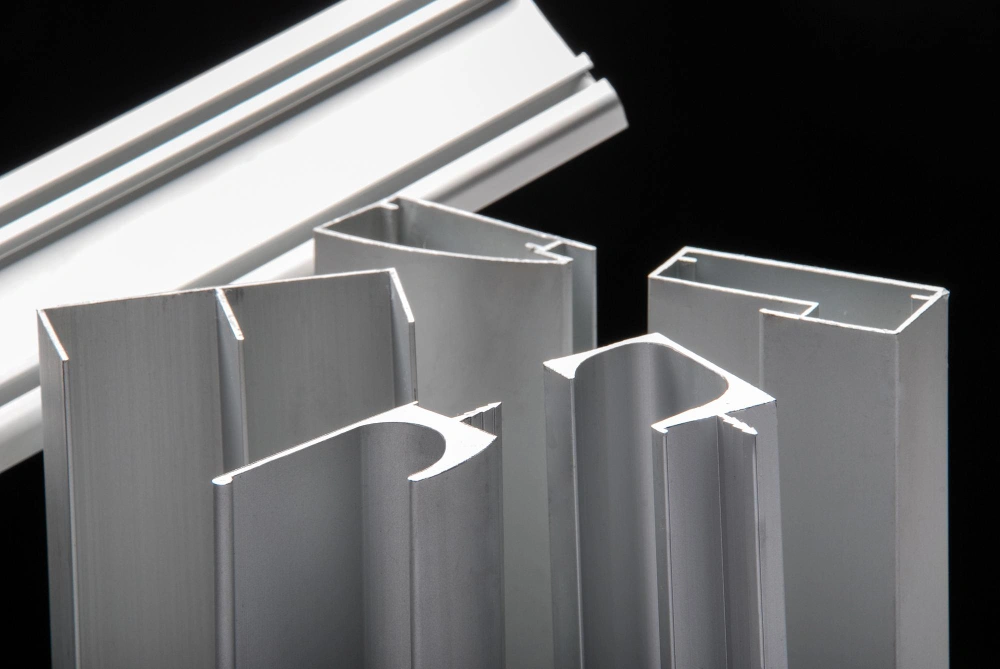
Aluminum and steel are two of the most widely used metals in modern industry. Although both materials offer high strength, they differ significantly in terms of usage areas and performance characteristics.
Choosing the right material plays a critical role in the cost, durability, and efficiency of a project. Therefore, understanding the differences between aluminum and steel is essential.
Key Differences Between Aluminum and Steel
Weight
Aluminum is much lighter than steel. This provides a significant advantage, especially in industries where portability and fuel efficiency are important.
Strength
Steel generally has higher strength. However, aluminum still provides sufficient strength for many applications while being significantly lighter.
Corrosion Resistance
Aluminum is naturally resistant to corrosion due to the oxide layer formed on its surface. Steel, on the other hand, usually requires additional coating or treatment to prevent rust.
Machinability
Aluminum is easier to shape and machine, which speeds up production processes and reduces costs.
Cost
Steel generally has a lower raw material cost. However, aluminum can offer a total cost advantage thanks to its lightweight structure and long lifespan.
When Should Aluminum Be Preferred?
- In projects where weight is critical
- In environments where corrosion resistance is required
- In applications where a modern and aesthetic appearance is desired
- When reducing transportation and installation costs is important
When Should Steel Be Preferred?
- In structures requiring very high strength
- In heavy load-bearing systems
- In projects where low initial cost is the priority
Conclusion
There is no single correct choice between aluminum and steel. The best material should be selected based on the specific needs of the project.
If lightness, corrosion resistance, and longevity are priorities, aluminum should be preferred; if high strength and lower initial cost are more important, steel is the better choice.


